The phrase "you need an audience first" has stopped a lot of brilliant women from launching digital products that would have done just fine. The truth is more nuanced. Some product types require an audience. Plenty don't — they ride on marketplace search traffic instead, or solve a specific painful problem someone is actively Googling.
Here are seven digital product ideas, each under $50, that work for absolute beginners with zero email list. I've ranked them roughly by how quickly you could earn your first $100.
Why under $50?
Sub-$50 digital products convert at much higher rates than their premium siblings — often 3–5% versus 0.5–1% for $200+ courses. They require no sales page acrobatics, no launch sequence, no objections handling. They're an impulse buy. Stack three or four of them into a small product family and you have a meaningful side income.
1. Notion or Google Sheets templates ($17–$47)
The fastest-moving category in 2026. People who already use Notion or Sheets are looking for done-for-you templates because building from scratch is exhausting. Examples that consistently sell: project trackers for freelancers, content calendars for newsletter writers, budgeting templates for couples, wedding planning dashboards, recipe meal planners.
Sell on: Notion's marketplace, Gumroad, Etsy. Effort to build: one weekend. Average earnings per template that finds product-market fit: $80–$400/month.
2. Printable planners and journals ($9–$24)
Printables remain Etsy's most reliable digital category for women-led shops. Daily planners, gratitude journals, fitness trackers, financial worksheets. Design once in Canva, sell forever.
Niche tightly: "minimalist printable wedding planner for budget brides" outsells "printable planner" by an order of magnitude because the search intent is specific.
3. Lightroom presets or filter packs ($14–$32)
If you have a strong photo aesthetic, packaged Lightroom presets sell well to Instagram-active hobbyists. The key is naming and visual presentation — your preset pack lives or dies by the before/after photos in the listing.
4. Canva templates ($12–$38)
The exploding category for 2026. Canva templates for Pinterest pins, social posts, ebook covers, course slides, lead magnets, and resumes. The market loves "industry-specific Canva templates for X."
5. Mini ebooks (PDF, $9–$27)
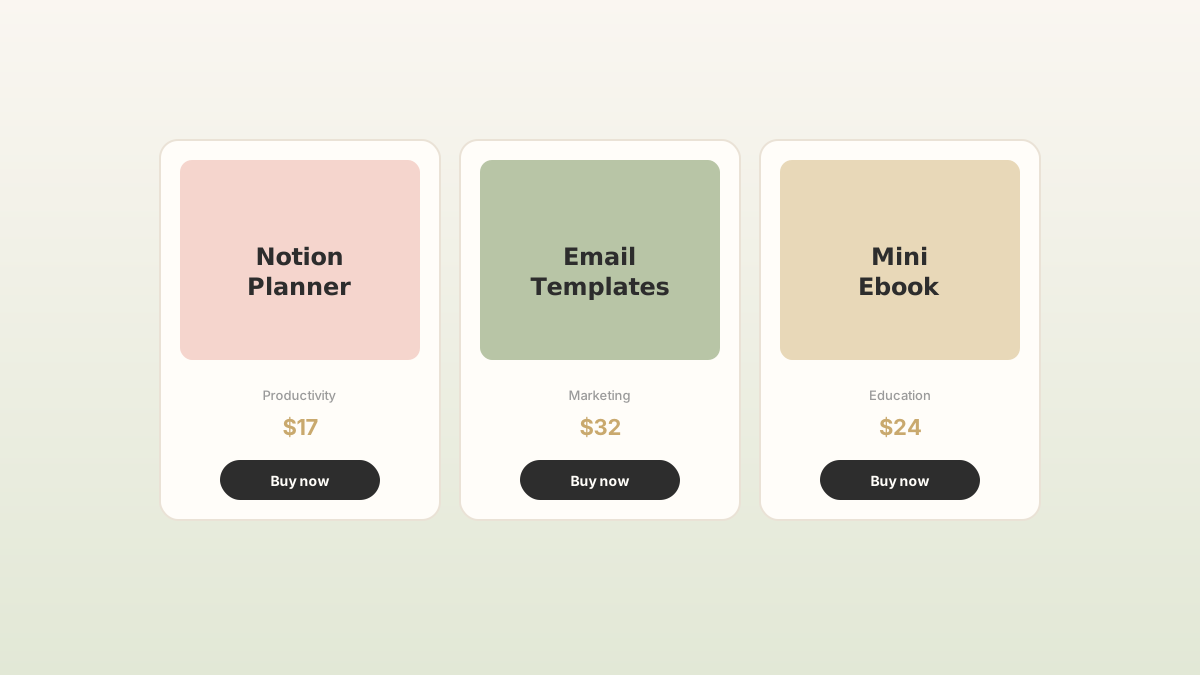
Don't think 200-page memoir. Think 25–40 pages, deeply useful, beautifully formatted, on a hyper-specific topic. "How to set up your first photography business LLC" or "The 30-day no-spend grocery plan." Tight scope, real expertise, lovely cover.
Build in Canva or Pages. Sell on Gumroad or Payhip with no listing fees.
6. Email and contract templates ($24–$47)
Freelancers and small business owners regularly need: client onboarding emails, scope creep response templates, polite payment reminders, breakup-with-a-bad-client emails, contract templates. These are low-glamour but high-conversion.
Sell on Etsy, Gumroad, or directly on a one-page Notion site.
7. Procreate brushes and digital art assets ($8–$24)
If you have any drawing skill, custom Procreate brushes have a passionate buyer base. Pair brushes with a small how-to video and you can charge $20–$30 per pack.
How to sell with no audience: the 3 traffic moves
The audience you don't have is replaced by other people's audiences:
- Marketplace SEO. Etsy, Gumroad, Notion's marketplace, and Creative Market all have their own internal search. Optimize listing titles and descriptions for the keywords your buyers type.
- Pinterest. A single pin pointing to a $24 printable can drive sales for years.
- Reddit and niche communities. Quietly contributing in subreddits and Facebook groups where your buyers hang out, then occasionally mentioning your product when relevant.
The "stack three products" strategy
One product is a sale. Three thoughtfully related products is a brand. Start with one. Once it sells consistently, build two complementary products that the same buyer would naturally want. A buyer is 4–6x more likely to buy your third product than a brand-new visitor is to buy your first.
Realistic timeline to $500/month
- Month 1: Build and list product 1. Earn $0–$80.
- Month 2: Optimize listing based on what searches drove visits. Build product 2. Earn $80–$200.
- Month 3: Build product 3. First Pinterest pins. Earn $200–$400.
- Month 4–6: Iterate, refresh pins, gather reviews. Earn $400–$700.
Frequently asked questions
Do I need a business license to sell digital products?
For your first few hundred dollars, generally no in most jurisdictions. Once revenue becomes consistent, talk to an accountant about local requirements.
Etsy or Gumroad — which should I start on?
Etsy if you want existing search traffic and don't mind the listing fee and competition. Gumroad if you want zero listing fees and full control of branding. Many sellers start on Etsy and move buyers to Gumroad over time.
How important are reviews?
Critical. Your first 5 reviews dramatically lift conversion. Politely follow up with every buyer asking for honest feedback.